Influencer marketing is losing impact as engagement rates fall below one percent. Brand ambassador programs offer a proven alternative, converting customers through direct face-to-face conversations. SalesWorks explores how these structured programs build genuine trust, deliver higher conversion rates and scale across multiple markets, with guidance on recruitment, onboarding, daily management and real-time performance tracking.
In a digital-first world, many B2C companies are facing the same challenge: attention is easy to buy, but trust is harder to earn. This is where a well-executed brand ambassador program becomes a powerful growth engine.
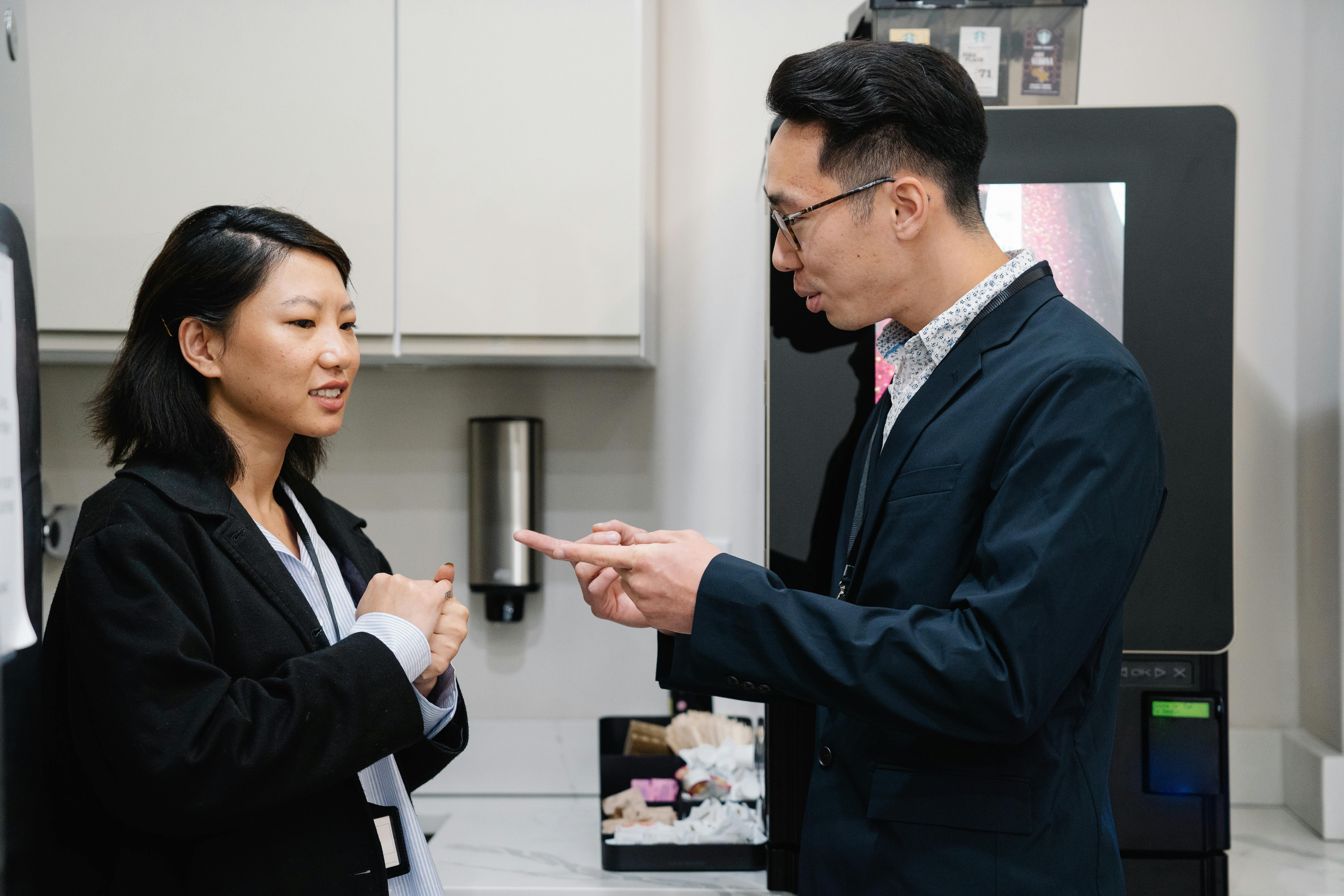
Unlike traditional advertising or influencer campaigns, ambassador programs retain the human connection in the sales journey, especially in face-to-face environments.
With over 30 years in the industry, SalesWorks operates across 7 markets and continues to expand into new territories. Managing more than 1,700 brand ambassadors globally, the organisation has built a proven system for delivering consistent, high-quality customer acquisition through face-to-face engagement at scale.
Image: Vitaly Gariev
A brand ambassador program is a structured initiative where individuals represent a company by promoting its products or services directly to customers. These ambassadors are professionally trained and aligned with the brand's values, ensuring consistency in how the brand is represented.
They operate across multiple route-to-market channels, including events, retail spaces, airports, B2B and B2C environments, as well as door-to-door engagement, allowing brands to reach customers wherever they are.
Influencer marketing has been an up-and-coming tactic over the past decade. With organic audiences and a strong rapport, products endorsed by influencers often feel as trustworthy as word of mouth. However, in recent years, cracks have started to show.
Engagement rates for many macro influencers have dropped below 1%, yet pricing still reflects follower counts from a time when algorithms were more favourable to reach and visibility.
At its core, influencer marketing is built for reach. Influencers promote products to their audience, usually through social media, making it an effective tool for awareness. The impact, however, is often short-term, with relationships that are transactional and campaign-based.
If your priority is conversion, you need a different approach. A brand ambassador program focuses on conversations and long-term engagement. Instead of broadcasting to an audience, ambassadors interact directly with potential customers.
They answer questions, address concerns, overcome objections, and guide individuals through the decision-making process. This creates a deeper level of trust and often leads to significantly higher conversion rates.
For B2C companies that rely on customer acquisition at scale, especially in industries such as telco, energy, fintech and lifestyle products, this distinction is critical.
There are several brand ambassador benefits that make this model highly effective:
Image: Felicity Tai
Building a successful program requires rigorous hiring, training and structured systems.
The foundation of any strong program is the quality of its ambassadors. Look for individuals with strong communication skills, resilience and a willingness to learn.
Many companies struggle here because they treat ambassadors as temporary hires. In reality, the best programs treat them as professionals with clear growth pathways.
At SalesWorks, recruitment is designed to identify individuals who can grow into long-term roles, not just short-term campaign staff. This creates a more stable and high-performing workforce.
Training is what separates a casual promoter from a high-performing ambassador.
A strong training programme should cover:
Ongoing coaching is just as important. The best programs invest in continuous development, ensuring ambassadors evolve alongside the markets they serve.
One of the most overlooked advantages of a mature brand ambassador program is the ability to develop talent across markets.
Within SalesWorks, experienced ambassadors are often given opportunities to work internationally. This exposure allows them to adapt to different customer behaviours, cultural nuances and market expectations.
Whether engaging customers in Malaysia, South Korea or the United States, they understand how to tailor conversations, adjust their approach and represent brands in a way that resonates locally.
Image: SalesWorks
This level of adaptability is critical for B2C companies expanding across regions, where a one-size-fits-all approach rarely works.
Managing ambassadors at scale requires clear systems and leadership.
This includes:
Without structure, even the best ambassadors will struggle to perform consistently.
Image: Vitaly Gariev
Data is what turns a brand ambassador program into a scalable acquisition channel.
Key metrics to track include:
Advanced programs use digital tools to track performance in real time, allowing companies to optimise campaigns quickly and efficiently.
A brand ambassador is a strategic investment in human connection and customer trust. While digital channels will always play a role, face-to-face engagement fills a critical gap that online interactions cannot fully replace.
If you are looking to build or scale your own program, SalesWorks can support your efforts with trained ambassadors and international expertise across multiple markets. Whether you are entering a new region or optimising an existing campaign, the right partner can accelerate your results.
Image: SalesWorks
Ready to get started? Reach out through the contact form to explore how a tailored brand ambassador program can drive real growth for your business.